Small Party Catering in Dallas, TX: How to Plan the Perfect Menu for Your Guests
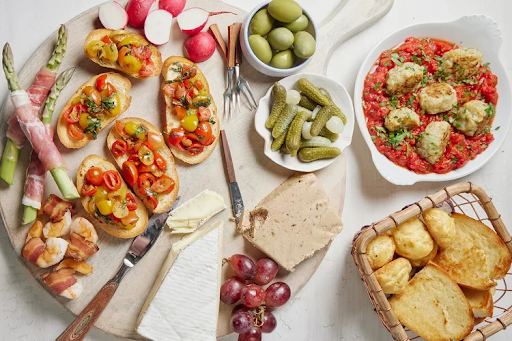
Planning a small celebration sounds simple—until you start deciding what everyone will eat. Whether you're hosting a birthday party, bridal shower, anniversary, family gathering, graduation celebration, or business event, the food often becomes one of the most memorable parts of the occasion. With JLBGourmet, hosts can focus on creating an enjoyable experience while choosing food that suits the guests, setting, and style of the celebration.
The good news is that a small gathering does not require a complicated menu. In fact, fewer guests can give you more flexibility to personalize the food and create a dining experience that feels thoughtful rather than generic. The key is knowing how much food you need, what your guests enjoy, and which catering style works best for your event.
Why Small Parties Benefit From Professional Catering
When there are only 10, 20, or 30 guests, it may seem easier to prepare everything yourself. But shopping for ingredients, preparing multiple dishes, keeping food at the right temperature, setting up the serving area, and cleaning afterward can quickly turn into a full-day project.
Professional catering for small parties in Dallas, TX can take much of that responsibility away from the host. Instead of spending the hours before your event in the kitchen, you can spend that time welcoming guests and enjoying the celebration.
Catering can also make portion planning easier. A simple rule is to consider the length of the event, whether food is the main meal or just refreshments, and how many different dishes will be available. For example, a two-hour afternoon gathering with snacks requires a very different amount of food than a four-hour evening celebration centered around dinner.
Start by Understanding Your Guest List
Before choosing dishes, think about who will actually be attending. Your guest list is one of the most important factors in building the right menu.
Consider:
The number of adults and children attending
Dietary restrictions or food allergies
Vegetarian or other dietary preferences
Foods your guests particularly enjoy or avoid
The age range of your guests
Whether alcohol or other beverages will be served
The time of day of the event
For example, a children's birthday party may need simple, familiar foods that are easy to eat, while an anniversary dinner may call for a more sophisticated menu. A corporate gathering may benefit from convenient foods that guests can enjoy while networking.
Taking these details into account helps prevent a common catering mistake: choosing food based only on what sounds appealing to the host.
Select a Catering Approach Appropriate for the Event
There is no single right way to serve food at a small gathering. Your catering style should match the atmosphere you want to create.
Buffet-Style Catering
A buffet gives guests the freedom to choose what they want and how much they want. It can work particularly well for family gatherings, birthdays, showers, and casual celebrations.
A well-planned buffet might include a main protein, a vegetarian option, two side dishes, a salad, bread, and dessert. Keeping the selection focused can make the meal easier to manage without making it feel limited.
Individually Served Meals
For a more formal gathering, individually served meals can provide a polished experience. This option can work well for intimate dinners, milestone celebrations, and smaller corporate events.
Because each guest receives a planned portion, this approach can also make the dining experience feel more organized.
Appetizers and Small Bites
If your event is designed around conversation and mingling rather than a sit-down meal, appetizers may be the better choice. Finger foods and small bites allow guests to move around while enjoying different flavors.
This style is especially useful for cocktail-style receptions, networking events, open houses, and evening celebrations.
Build a Balanced Menu
One of the best catering menu ideas for small parties is to focus on balance instead of offering too many choices.
A practical menu could include:
One or two main dishes
One vegetarian-friendly entrée or substantial option
Two complementary sides
A fresh salad or vegetable dish
Bread or another simple accompaniment
One or two desserts
The goal is variety without overwhelming your guests.
Think about contrasting flavors and textures. If the main dish is rich, pair it with a lighter salad or vegetable. If one side is creamy, choose another with a fresh or crisp texture. This creates a meal that feels complete without requiring a huge menu.
Think About Portion Sizes
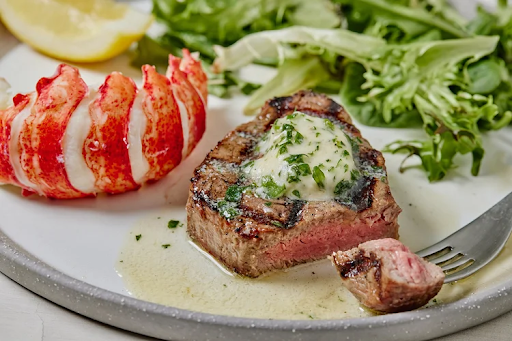
One of the biggest concerns when arranging small event catering in Dallas, TX is deciding how much food to order.
There is no universal portion number because food requirements depend on the event. A meal served at lunchtime, for example, may require different portions than an evening reception where guests are eating throughout several hours.
Also consider whether appetizers are being served before the main meal. If guests have access to several appetizers, they may eat less of the main course.
For a small gathering, it is usually better to discuss the complete event schedule with your catering provider rather than simply ordering a fixed amount per person. Details such as event duration, menu format, guest demographics, and number of courses can all affect the quantity needed.
Match the Menu to the Time of Day
The timing of your event should influence your food choices.
For a morning gathering, lighter breakfast-style options may be appropriate. A lunchtime celebration might call for fresh salads, sandwiches, entrées, or lighter sides. Dinner generally allows for heartier dishes and a more substantial menu.
Afternoon events can be more flexible. If the gathering falls between normal meal times, appetizers, desserts, and beverages may be enough. However, if guests are likely to arrive hungry, offering more substantial food can make the experience much more comfortable.
This is one reason party food catering in Dallas, TX should be planned around the entire event rather than the guest count alone.
Consider the Dallas Setting
Dallas offers countless possibilities for hosting a small celebration. Your event might take place at home, in a private venue, at an office, outdoors, or at another location.
The setting can influence your menu and serving style.
For an outdoor gathering, foods that are easy to serve and maintain may be more practical. At a home event, you may have access to a kitchen or refrigerator for additional flexibility. For an office gathering, individually portioned items or easy-to-handle foods can make serving more convenient.
If you're planning private party catering in Dallas, TX, discuss the venue setup ahead of time. Ask about available tables, serving areas, refrigeration, power access, cleanup expectations, and any venue-specific requirements.
Make the Menu Part of the Experience
Food should do more than fill plates. It can help create the mood of the event.
For a birthday celebration, familiar favorites can create a relaxed atmosphere. A bridal shower might benefit from elegant appetizers and attractive desserts. An anniversary dinner can be built around dishes that feel more personal and special.
You can also incorporate a theme without making the menu complicated. A seasonal menu, favorite cuisine, or selection inspired by the guest of honor can make a small gathering feel more personalized.
That's one of the advantages of catering for intimate gatherings in Dallas: the smaller guest list allows you to pay more attention to individual preferences.
Why Professional Planning Makes a Difference
Good Dallas party catering services should be about more than simply delivering food. Planning should account for the guest count, menu balance, timing, presentation, dietary considerations, and logistics.
Working with an experienced catering team can help you identify potential problems before the event. For instance, you may realize that a menu has too many heavy dishes, that the serving setup needs additional space, or that certain foods are not ideal for an outdoor celebration.
JLBGourmet can help hosts approach the menu as part of the overall event rather than treating food as a last-minute detail. A thoughtful plan can make serving smoother and allow the host to spend less time managing logistics.
A Simple Small-Party Menu Planning Checklist
Before finalizing your catering order, ask yourself:
How many guests have confirmed attendance?
Is the event breakfast, lunch, dinner, or between meals?
Will food be the main meal or part of a reception?
Are there allergies or dietary restrictions?
Do you need appetizers?
Will guests sit down or mingle while eating?
Does the venue have suitable serving space?
How will hot and cold foods be handled?
Do you need desserts and beverages?
How much setup and cleanup will be required?
Answering these questions can make the entire catering process easier.
Create a Memorable Event Out of a Small Gathering
A successful small party is not necessarily about having the largest menu or the most elaborate presentation. It is about choosing food that fits the guests and creating an experience where everyone feels comfortable and well cared for.
Whether you're arranging a birthday celebration, family gathering, shower, corporate event, or private dinner, thoughtful menu planning can take your event to the next level. Start with your guest list, understand dietary needs, select a practical serving style, balance your menu, and consider the venue and timing.
When you approach catering this way, even a gathering of 10 or 20 people can feel carefully planned and genuinely special. JLBGourmet provides a convenient option for hosts who want to make food an enjoyable part of their Dallas celebration without taking on every catering responsibility themselves.
If you're planning a small event, start your menu planning early and communicate your expectations clearly. The right combination of food, presentation, portions, and service can turn a simple gathering into an occasion your guests will remember.
Frequently Asked Questions (FAQs)
1. How much food do I need for a small party in Dallas, TX?
The amount of food depends on your guest count, event length, time of day, and whether you're serving appetizers, a full meal, or both. For example, a party with 10–20 guests may need a different quantity than a dinner for the same number of people. Discuss your guest count and complete menu with your caterer so portions can be planned without excessive leftovers or running short.
2. What are good catering menu ideas for small parties?
Good catering menu ideas for small parties include a balanced combination of appetizers, one or two main dishes, complementary sides, a vegetarian option, and dessert. Choose foods with different flavors and textures rather than offering too many similar dishes. For casual gatherings, easy-to-serve appetizers and buffet options can work well, while private dinners may benefit from a more structured menu.
3. Can catering for small parties in Dallas, TX accommodate dietary restrictions?
Yes, many catering providers can accommodate dietary preferences and restrictions when they receive advance notice. When planning catering for small parties in Dallas, TX, tell the caterer about allergies, vegetarian requirements, gluten-free needs, or other dietary concerns before finalizing the menu. This allows the team to suggest suitable dishes or make appropriate substitutions.
4. How far in advance should I book small event catering in Dallas, TX?
For a small event, it is best to contact a caterer as early as possible, particularly if you need a customized menu, specific date, delivery, setup, or dietary accommodations. Some Dallas-area caterers recommend several weeks for smaller events, while others have shorter notice requirements depending on availability and order size.